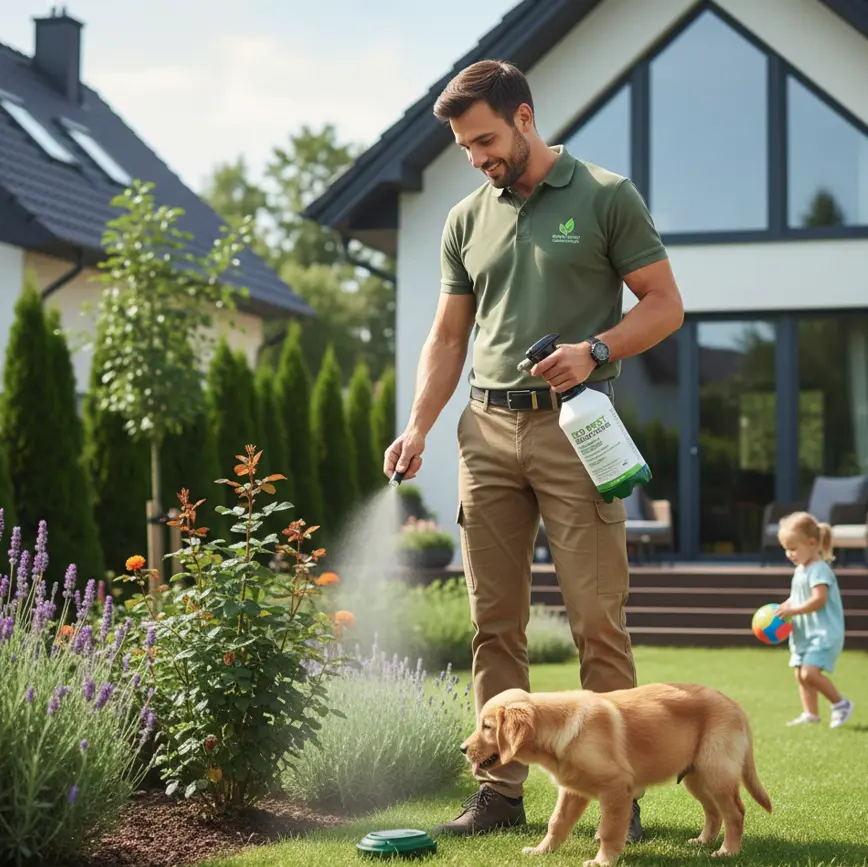
Why Expert Low-Toxicity Pest Control is the Safest and Most Effective Option
Many homeowners today search for safer alternatives to traditional pesticides, especially when children, pets, allergies, or indoor air quality are a concern. Older broad-spectrum sprays can leave residues, disperse into the air, and create unnecessary exposure inside the home. Professional low-toxicity pest control solves these issues by using targeted, research-backed treatments designed to eliminate pests while protecting the people who live in the home.
When these solutions are applied by a licensed and trained expert who understands application thresholds, pest behavior, and environmental sensitivity, the results are often more effective than traditional chemical spraying. This approach is recommended by leading pest management organizations and is now considered the gold standard for safe and reliable home protection.
Health and Environmental Risks of Traditional Pesticide Chemicals
Conventional chemical pesticides can create long-term risks if overused or improperly applied. Residues may remain on floors, furniture, or pet areas, while outdoor runoff can affect soil, groundwater, and beneficial insects such as bees and pollinators. Heavy pesticide use is also one of the leading contributors to pesticide resistance, a growing challenge documented across the pest control industry.
Modern pest management focuses on Integrated Pest Management (IPM), a science-based strategy built on prevention, monitoring, exclusion, and precise low-toxicity treatments. IPM reduces exposure, protects the environment, and maintains long-term control—making it the preferred approach among experts, health agencies, and environmentally conscious homeowners.
Low-toxicity pest control protects your family's health and strengthens the local ecosystem while delivering the same professional-level results—without the risks of outdated chemical methods.
Low-Toxicity Products and Natural Alternatives
Low-toxicity treatments focus on precision. Instead of spraying entire areas, professionals apply targeted formulations with reduced active ingredients. Many options are plant-based or mineral-based.
- Mint, cedar, and lemon oil formulas repel ants and spiders safely.
- Diatomaceous Earth dehydrates and eliminates crawling insects without chemicals.
- Neem oil disrupts insect growth cycles in gardens.
- Low-toxicity gel baits offer highly targeted cockroach and ant control.
- Soap-and-water sprays work well for soft-bodied garden pests.
Biological Pest Control: Using Nature to Fight Nature
Biological pest control is one of the most advanced and science-backed approaches in modern pest management. Instead of relying on broad-spectrum chemicals, it uses natural predators, microbial agents, and biological processes to target pests with precision while keeping families, pets, and indoor environments safe. This method is widely recommended by environmental health experts and professional pest management associations.
Biological control is also a central pillar of Integrated Pest Management (IPM), helping reduce pesticide resistance and maintaining long-term stability in homes and gardens. Leading scientific institutions, such as the EPA, recognize biological control as a proven, low-risk alternative to traditional pesticides. For additional reading, visit the EPA’s official overview on biological control: EPA – Biological Pest Control .
- Predatory mites – highly effective against spider mites and fungus gnats in homes and greenhouses.
- Bacillus thuringiensis (Bt) – a naturally occurring bacteria used to eliminate mosquito larvae and caterpillar infestations without harming humans, pets, or beneficial insects.
- Beauveria bassiana – a safe fungal pathogen that targets crawling insects such as bed bugs, roaches, and ants with minimal environmental impact.
- Aprehend – a professional-grade fungal biopesticide known for exceptional results in bed bug management, used by licensed pest control experts.
If you want to dive deeper into how biological methods compare with traditional pest control, check out our in-depth guide: DIY vs Professional Pest Control – What Really Works? Internal linking like this helps homeowners make smarter decisions and strengthens the authority of your entire site.
Integrated Pest Management (IPM)
Integrated Pest Management (IPM) is recognized worldwide as the most effective, sustainable, and science-driven approach to long-term pest control. Instead of depending on repeated chemical spraying, IPM combines prevention, monitoring, exclusion, environmental correction, and targeted low-toxicity treatments. This method is endorsed by leading authorities, including the EPA and CDC, for its proven ability to reduce chemical exposure while delivering superior pest-control results.
IPM works because it addresses the root cause of infestations rather than treating only the visible symptoms. By understanding pest biology, environmental conditions, and structural vulnerabilities in your home, trained professionals can eliminate pests more efficiently and prevent them from returning.
- Correct Identification – Accurately diagnosing the species and level of activity ensures the correct treatment plan.
- Exclusion & Prevention – Sealing cracks, fixing moisture problems, improving sanitation, and removing attractants.
- Monitoring & Detection – Using traps, sensors, and regular inspections to track pest behavior and population levels.
- Targeted Low-Toxicity Treatment – Applying the safest and most precise solution, including biological agents or gel baits.
- Follow-Up & Long-Term Management – Reassessment ensures the infestation is eliminated and prevents future outbreaks.
For homeowners with children, pets, or allergy sensitivities, IPM is the preferred choice. It delivers strong results while keeping chemical use as low as possible. You can read more about IPM directly from the EPA here: EPA – IPM Principles .
Want a customized IPM plan for your home in Louisville? Our licensed technicians build tailored, low-toxicity strategies designed to eliminate pests at the source and keep your home protected all year.
Get a Personalized IPM ConsultationMechanical and Physical Control Methods
Non-chemical methods form the base of any eco-friendly approach.
- Sticky traps for monitoring insect populations.
- Rodent snap or humane traps instead of poisons.
- Door sweeps to block outdoor pests.
- Mesh screens for vents and windows.
- Exclusion sealing for cracks, pipes, and gaps.
Outdoor Strategies for Sustainable Pest Prevention
Landscaping and outdoor sanitation directly influence indoor pest levels. Trimming shrubs, removing leaf piles, and preventing standing water all reduce habitat space.
- Lavender, rosemary, and marigolds naturally repel insects.
- Mulch management prevents ant nesting.
- Proper irrigation reduces mosquito breeding.
Benefits for Families and Communities
Eco-friendly methods reduce chemical exposure, protect beneficial species, and lead to fewer infestations over time. Communities that adopt sustainable pest management see healthier gardens, cleaner water, and improved biodiversity.
Low-Toxicity & Eco-Friendly Pest Control in louisville
Families in louisville are looking for pest control that actually works without soaking their home in harsh chemicals. Our local team uses low-toxicity products, biological control tools, and a full Integrated Pest Management (IPM) approach to target pests while protecting kids, pets, and indoor air quality. From ants and roaches to mosquitoes and rodents, we focus on smart inspection, prevention, and precise treatments that fit the climate and building types in louisville.
Get Safe Pest Control in louisvilleFAQ: Eco-Friendly & Low-Toxicity Control
-
Yes. Many low-toxicity and bio-based treatments work on the colony level, not just the insects you see. When applied correctly, they can eliminate nests, stop reproduction, and provide long-term results.
-
IPM combined with low-toxicity materials is considered the safest option. Treatments focus on exclusion, sanitation, monitoring, and targeted solutions instead of broad indoor spraying.
-
For many pests, yes. Biological tools such as beneficial fungi, bacteria, and predatory insects can be effective enough to avoid traditional pesticides altogether, especially in gardens and moisture-prone areas.
-
Aprehend is a fungal biopesticide that transfers between bed bugs as they walk through treated areas. It is highly effective and considered low-risk for people and pets because it targets insects only.
-
Yes. IPM focuses on prevention, sealing entry points, moisture control, and targeted treatments. Chemicals are used only when needed and always in the safest form available.
-
They can be effective when used correctly, especially for ants, spiders, and other nuisance pests. They work best as repellents or in combination with other IPM strategies.
-
Yes. Many low-toxicity baits and biological agents interrupt growth cycles, reproduction, or colony behavior, providing long-term prevention instead of temporary knockdown.
-
Not necessarily. While initial visits may cost slightly more, low-toxicity and IPM programs usually reduce repeat infestations, which lowers long-term costs for homeowners.
-
Yes. For rodents, exclusion and mechanical trapping are highly effective. For termites, baiting systems such as Sentricon are considered low-toxicity and work at the colony level without heavy soil spraying.
-
Simple steps like sealing gaps, managing moisture, trimming vegetation, and using pest-repellent plants create an environment where pests cannot thrive. These strategies are core parts of IPM.
Got a pest control question?
This blog is here to help. Share your story, ask about roaches, ants, termites or any pest problem you face at home or business. Our experts will reply with real tips and advice you can use.