1. What Exactly Is Pest Control - And Why It Matters More Than You Think?
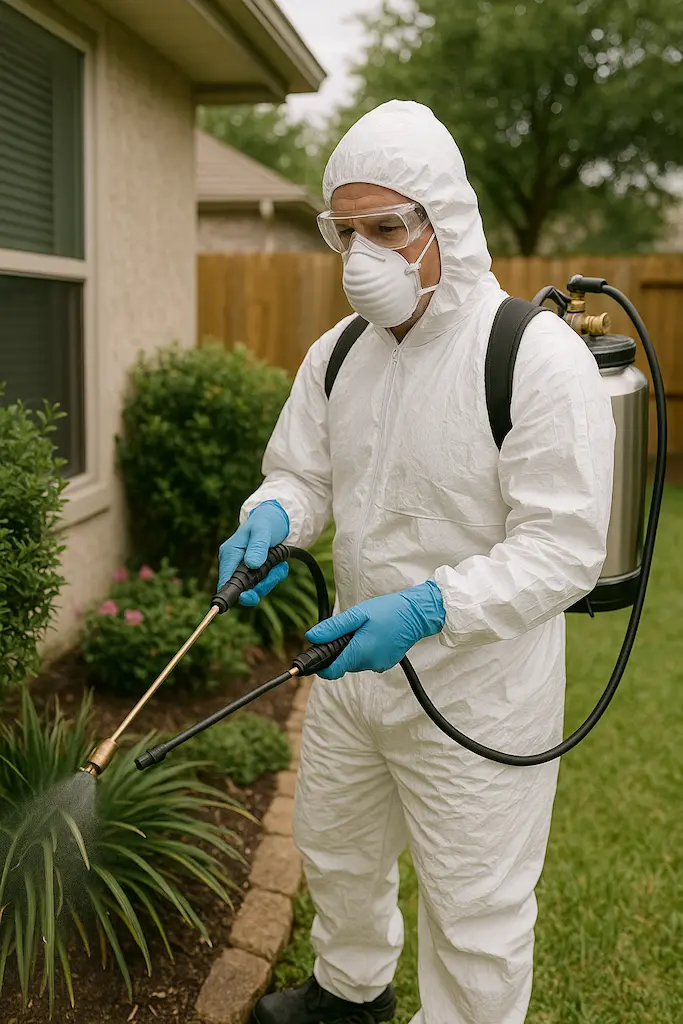
Imagine waking up to scratching sounds in the attic or finding a trail of ants across your kitchen counter. Pest control isn't just about "killing bugs" - it's about protecting your family's health, your food, and even the structure of your home. A professional specialist doesn't just spray and leave; they study the environment, identify hidden entry points, and apply targeted treatments that stop the infestation and prevent it from coming back. In many urban and suburban environments, where pests thrive in both homes and businesses, understanding what pest control really means is the first step to keeping your space safe.
"As a parent, my biggest worry wasn't just the bugs, but the chemicals used to treat them. This guide helped me find a child-safe solution that protected my kids and finally cleared the infestation."
2. Why do we need pest control?
It usually starts small - a single cockroach in the bathroom, a couple of ants near the sink. But pests multiply fast, and what looks like a minor problem can quickly turn into a serious health and property risk. Cockroaches and rats can spread dangerous bacteria such as Salmonella and E.Coli, while termites silently chew through wooden beams and furniture until costly damage is done. Even mosquitoes can trigger dengue outbreaks, and bed bugs leave behind sleepless nights and itchy bites.
"A local family in noticed a few ants and didn't think much of it. Before they knew it, the infestation had taken over every room, ruining their groceries and leading to an expensive emergency call-out. Taking action just a few days earlier would have saved them a massive headache and hundreds of dollars."
That's why pest control is not just about comfort - it's about health, safety, and protecting your investment. If you notice early warning signs such as droppings, scratching noises in the walls, or damaged wood, don't wait. Get Professional Pest Control Advice
3. What types of treatments are available?
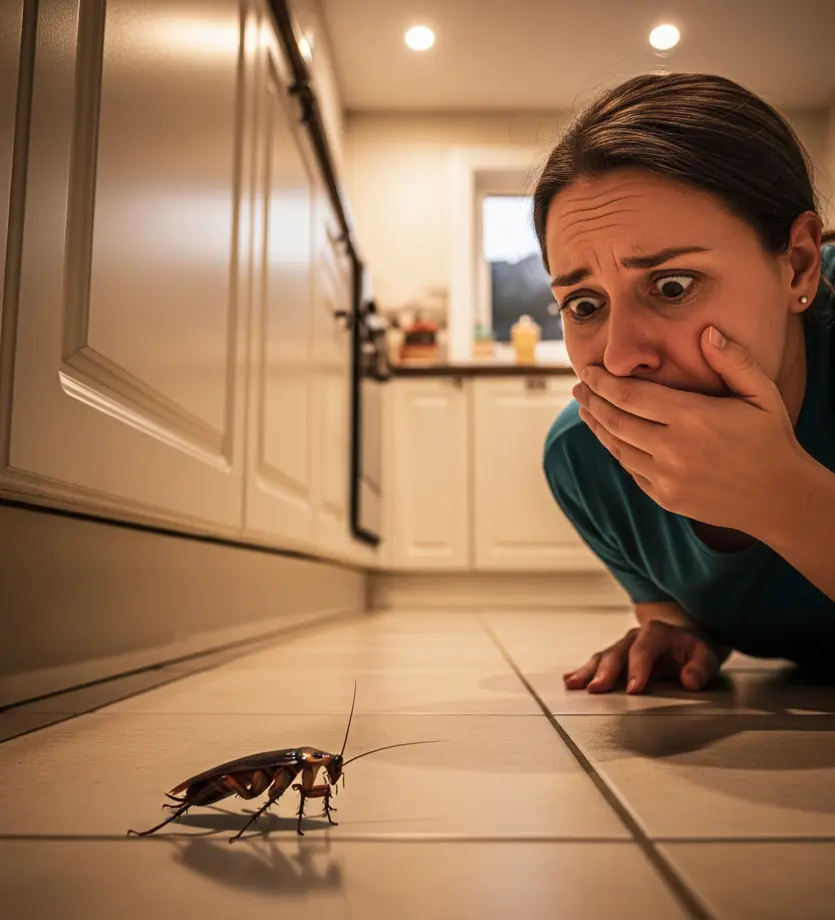
Not every pest can be handled the same way - and using the wrong treatment often makes things worse. For example, cockroaches and ants are usually managed with residual sprays and baits, while rodents often require digital monitoring and smart traps to detect activity quickly. Mosquito outbreaks call for fogging and larviciding, termites demand perimeter soil treatments and bait systems, and stubborn bed bug infestations are tackled with residual sprays plus high-heat steaming. Many professional companies now also provide eco-friendly, low-toxicity solutions that are safe for kids and pets.
"Months of DIY termite sprays in unfortunately only masked a much bigger problem. By the time we looked under the foundation, the colony had already moved in deep. It took a professional soil barrier and baiting system to finally stop the destruction, preventing what could have been thousands of dollars in structural repairs."
Every pest requires a different strategy - and guessing usually costs more in the long run. If you're unsure which treatment is right for your situation, contact our pest control team . Acting early ensures you get the right treatment before the infestation spreads.
4. How do specialists carry out pest management?
A real pest control visit is more than just a quick spray. Specialists begin with a detailed site inspection - checking dark corners, attics, basements, and even garden areas you may overlook. They assess risks, identify entry points, and explain clearly what type of pests are present and how serious the problem really is.
Once the risks are mapped, you'll get a treatment plan and safety checklist. That can mean covering food and utensils, temporarily leaving the property, moving furniture away from walls, and airing out the space after treatment. The process feels organized and professional, so you know exactly what's happening at each step.
"It started with a hidden termite trail behind a cupboard in , and ended with total relief. Beyond just clearing out the colony, the specialist walked through the house to show exactly how to keep them from coming back. For the homeowners, that sense of security was worth far more than the cost of the treatment."
True pest management doesn't end when the technician leaves. Professionals continue to monitor for recurrence, share prevention tips, and give you advice on habits or small changes that keep pests away long-term. This ongoing support is what separates quick fixes from lasting protection - and why hiring a specialist makes all the difference.
5. How much does pest control cost?
The price of pest control isn't "one size fits all." It depends on the type of pest, the size of your property, and how severe the infestation has become. For example, a quick ant treatment in a small apartment may be less than $150, while a full termite protection plan for a house can cost several hundred dollars or more. Many families also choose quarterly or monthly plans, starting around $40-$60, to keep pests from coming back instead of paying more during emergencies.
"Ignoring the early warning signs of termites in turned out to be a costly mistake. What started as a small DIY concern ended in thousands of dollars for door frame and flooring repairs—expenses that a professional termite protection plan would have easily prevented. Now, they swear by a simple monthly pest control service as the smartest way to protect their home's value and their own peace of mind."
The takeaway? Early prevention is cheaper than damage control. A transparent pest control company will always explain why a treatment costs what it does and help you choose the most cost-effective option for your situation.
6. How do I choose the right pest control company?
Look for credibility, industry reputation, and proven expertise. Check reviews, confirm if they use certified chemicals, ask if they provide detailed reports, and ensure they have responsive customer support. Certifications, awards, or membership in pest associations are also good signs of professionalism.
7. What's the difference between residential and commercial pest control?
Residential services focus on homes, apartments, and small compounds, while commercial pest control covers larger spaces like warehouses, offices, hotels, and restaurants. Businesses often face stricter regulations, require fumigation for imports/exports, and need more extensive reporting for audits and compliance.
8. What prevention tips can I use at home?
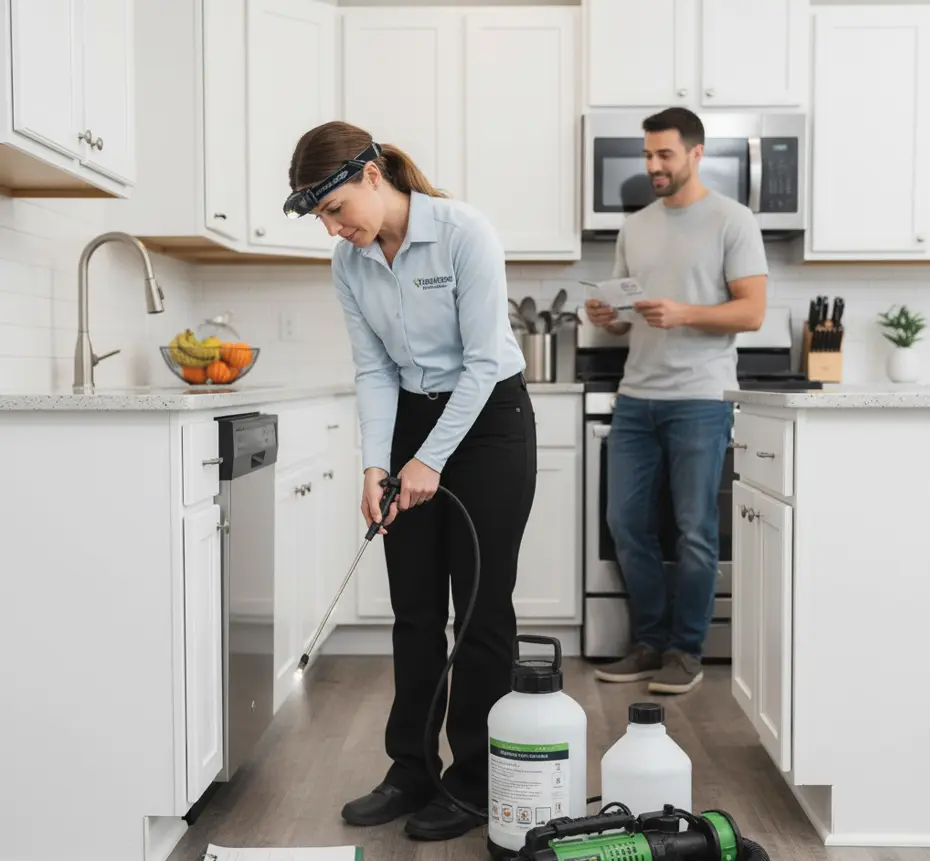
Preventing pests is easier (and cheaper) than fighting a full-blown infestation. In many homes, families only realize this after cockroaches, ants, or even termites have already spread. Here are the most effective prevention tips every household should know:
- Wash dishes right away. Even a single plate with crumbs overnight can attract roaches or ants.
- Take out trash daily. Always seal the bags tightly - rodents and flies can smell leftovers from far away.
- Seal cracks and gaps. Tiny openings in walls, floors, or window frames are the entry points pests love most.
- Eliminate standing water. Mosquitoes can breed in a bottle cap of water. Clean gutters, buckets, and plant saucers.
- Vacuum and sweep regularly. Crumbs under furniture or hidden behind appliances often become pest hotspots.
- Use airtight containers. Store rice, cereals, and snacks properly to keep them safe from ants and roaches.
- Try natural deterrents. Vinegar, cinnamon, lemongrass, or citronella candles can help reduce pest activity indoors and outdoors.
"Waking up to ants in the kitchen was a daily struggle for this household. Instead of jumping straight to harsh sprays, they focused on natural ant prevention—sealing pantry staples and deep-cleaning under the high chairs every evening. By removing the food sources, the entire ant infestation vanished within a week, proving that sometimes the best pest control starts with simple habit changes."
These habits make your home less attractive to pests in the first place.
Combine them with seasonal inspections and you'll enjoy a healthier, safer, and pest-free home all year long.
9. When should I engage professional services?
The golden rule with pests is simple: don't wait until it's too late. By the time you start seeing pests in daylight, the infestation is usually already advanced. Early detection and professional treatment can save you weeks of stress and thousands in repairs.
- Droppings or gnaw marks near food storage or wiring.
- Strange scratching noises in the walls or ceiling at night.
- Bite marks on skin that appear overnight (often bed bugs or fleas).
- Visible damage to wooden beams, doors, or furniture (signs of termites).
- Seeing pests in daylight - a strong sign of a heavy infestation.
"A minor cockroach problem in quickly spiraled out of control after DIY sprays failed to hit the nest. In just eight weeks, what started in the kitchen had spread into bedrooms and bathrooms, proving how fast an infestation grows. It took a professional exterminator to finally clear the home, leaving the owners with one major regret: not skipping the store-bought chemicals and calling for expert help on day one."
DIY methods may provide temporary relief, but they rarely solve the root problem. If you notice any of the warning signs above, don't postpone. Contact our pest control team today for a free inspection and fast help. Acting early is always cheaper, safer, and far less stressful.
10. How often do I need pest control?
The right schedule depends on your environment and the type of pests you're dealing with. For most families, quarterly visits are enough to keep common intruders like ants and cockroaches away. But in high-risk areas - where termites are active, mosquitoes thrive after heavy rains, or rodents get pushed indoors during construction projects - monthly or even fortnightly treatments may be essential. The rule of thumb? The more signs you see, the sooner you should call.
"A business owner in tried a once-a-year treatment plan to save money. Within months, termites had already spread into multiple rooms. After switching to quarterly treatments, the problem disappeared - and the building was finally secure again."
Final Thoughts
Pest control is not about chemicals - it's about protection, health, and peace of mind. Each unanswered question, each delay, and each "DIY fix" can cost far more later in repairs, medical bills, or lost sleep. By asking the 10 questions in this guide, you already know more than most homeowners, and you're one step ahead of the pests trying to invade your home.
If you're in , don't wait until you hear scratching in the walls at night or see termites eating through your furniture. Contact us today for a free quote and a tailored prevention plan that keeps your home pest-free all year.
The sooner you act, the less you'll spend, and the safer your family will be. Don't let pests write the story of your home - make sure it's you who stays in control.