Commercial pest control checklist for businesses
Use this as a real working checklist. The goal is not perfection, it is control: reduce attractants, block entry, catch issues early, and document actions.
What to check today (10 minute walkthrough)
Start where pests enter and where pressure is highest: dumpsters, loading areas, back doors, drains, dish areas, storage rooms, break rooms, and any shared walls with neighboring units. Look for gaps under doors, torn sweeps, unsealed pipe penetrations, wet cardboard, and standing water.
What to document (so you can prove control)
Take clear photos of problem areas and fixes. Keep a simple log: date, area, what you saw, and what you changed. If you have traps or monitors, record locations and results. This makes patterns obvious and supports inspection readiness.
What you can fix internally (high impact)
Replace worn door sweeps, seal small gaps, keep lids on trash, move product off the floor, reduce clutter, rotate stock with FIFO, clean under equipment, and address moisture: leaks, condensation, and slow drains.
What usually needs professional treatment
Recurring activity, rodents, roaches in kitchens, flies tied to drains, stored product pests in inventory, and any issue connected to structural entry points typically requires a commercial program with monitoring and reporting. If you need a provider, start here: commercial pest control service .
How often should a business schedule pest control?
Frequency is a business decision, not a generic rule. The right cadence depends on food exposure, traffic, deliveries, shared walls, outdoor pressure, and inspection risk. Here is a practical baseline.
Restaurants and food service
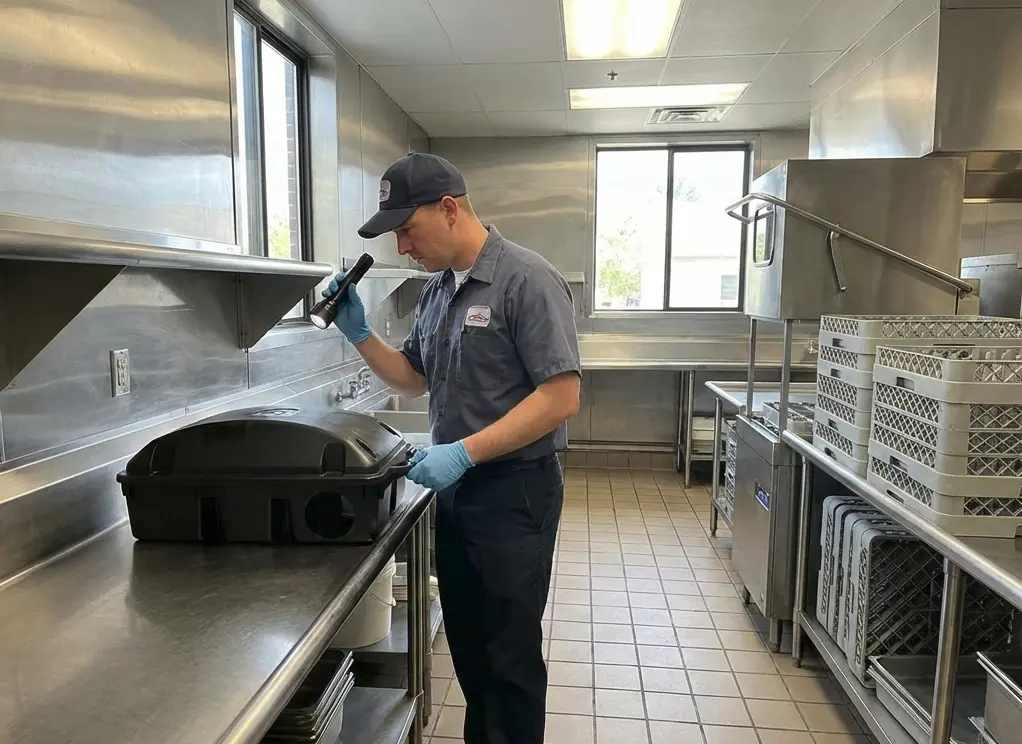
Most kitchens benefit from monthly service with ongoing monitoring. High-risk sites often add targeted checks for drains, dish areas, grease zones, and delivery doors. Documentation matters as much as treatment.
Warehouses and logistics
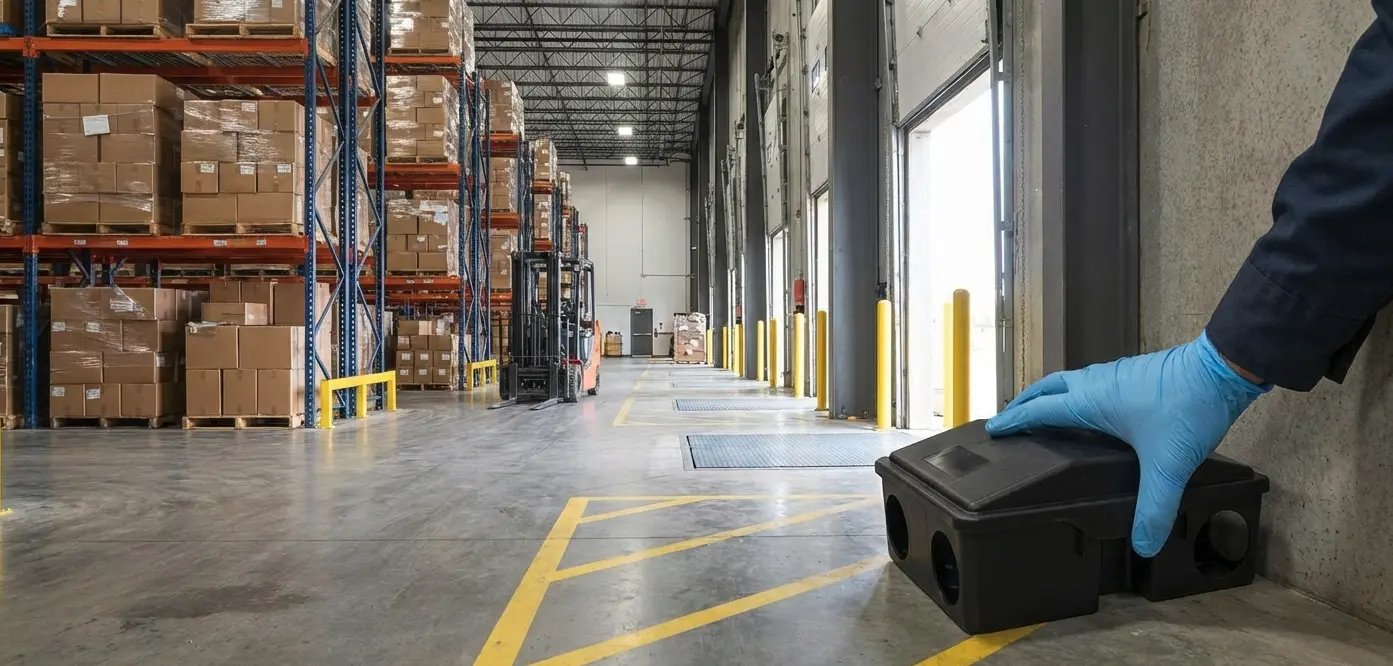
Warehouses often need a monitoring-first plan. Doors open, pallets move, and product sits. Many sites do monthly or bi-monthly checks depending on inventory type, dock activity, and external pressure.
Offices and commercial buildings
Lower food exposure usually means quarterly is often enough, but do not ignore trash rooms, parking areas, utility chases, and shared walls. If you see recurring ants or rodents, move to a tighter schedule.
Retail and storefronts
Visibility and brand risk are the issue. Many retail sites use monthly service during peak seasons, or quarterly with fast response options, especially in strip malls and shared-wall units.
Property management and multi-unit
Multi-unit sites need consistency: common areas, trash rooms, exterior perimeter, and coordinated unit access. Recurring calls are often caused by the same entry points and sanitation gaps repeating across units.
If you want a plan built around your business type and risk level, see: commercial pest control plans .
Signs of infestation in commercial buildings
In commercial spaces, the earliest signs are usually indirect. Teach staff what to notice, and you will catch issues before they become a customer-facing incident.
Common signs managers should not ignore
Droppings, gnaw marks, greasy rub marks along edges, unusual odors, repeated sightings in the same zone, insect activity around drains, fly activity near mop sinks, and hotspots around dumpsters and loading doors. Also watch for damaged packaging, webbing in stored goods, and pests appearing at specific times (often early morning).
High-risk zones that drive repeat problems
Dumpsters, compactors, grease traps, floor drains, dock doors, gaps under rear doors, shared utility penetrations, ceiling voids above kitchens, break rooms, and storage rooms with cardboard buildup.
What happens during a commercial pest control service visit
A good visit is not random spraying. It is a repeatable process that reduces risk and creates a paper trail. This is what you should expect from a serious commercial provider.
(1) Inspection and risk review
The technician checks pressure points, asks what changed (deliveries, staff routines, construction), and looks for new entry points and moisture.
(2) Monitoring and device checks
Traps, bait stations, and monitors are inspected and documented. The goal is to trend activity over time, not to guess.
(3) Targeted treatment
Treatment focuses on cracks, voids, drains, and entry points based on evidence. In sensitive environments, the plan should follow IPM principles and product labels strictly.
(4) Recommendations you can act on
A good provider gives practical fixes: exclusion, sanitation, storage changes, and staff behaviors that reduce attractants.
(5) Service report (this is your inspection shield)
You should receive a clear report: findings, actions taken, devices checked, products used when applicable, and recommendations with priority. If you want documentation-first service, start here: documentation and reporting .

Health inspection prep: pest control documentation
Many businesses fail inspections because they cannot show a system. You do not need a binder full of fluff. You need consistent, recent, and readable proof that you monitor, respond, and correct root causes.
What to keep on file
Keep the last several service reports, a simple site map or device location notes, corrective action notes, and any labels or SDS documentation your facility requires. Add photos of repairs: sweeps replaced, gaps sealed, drains cleaned, dumpster area improved.
What inspectors look for in practice
Evidence of control, not perfection: no active hotspots, no obvious entry gaps, cleaner risk zones, and a consistent pattern of professional service with follow-through.
How to choose a commercial pest control company
The wrong provider creates a cycle: short-term relief, repeat incidents, and no documentation. The right provider gives a program, not a spray.
Non-negotiables
Licensing, insurance, a clear IPM approach, honest communication about what they can and cannot guarantee, and reporting that is easy to show in an inspection.
Questions that reveal quality fast
Ask how they monitor trends, what they recommend beyond treatment, how they handle after-hours or customer-facing spaces, and what their documentation looks like. If pricing is unclear, that is a red flag. For a transparent approach, see: pricing factors .
Industry-specific guidance (where problems usually start)
Restaurants and food service
Common pain points: roaches in warm, moist zones, rodents near receiving doors, flies linked to drains, and recurring issues that spike when cleaning routines slip. Focus on drain hygiene, tight trash control, sealed gaps around plumbing, and staff rules for food storage and closing routines. If you need service that works around operating hours, use: restaurant pest control plans .
Warehouses and logistics
Stored product pests, rodents along perimeter walls, and entry pressure from open dock doors are common. Monitoring is key: map devices, trend results, and address exclusion and door discipline. Inventory protection is a program, not a one-time visit.
Offices and commercial buildings
Ant trails, occasional spiders, and rodents in parking or trash areas are common. The root cause is often a mix of small entry gaps, moisture, and food sources in break rooms. Discreet service matters in occupied spaces.
Retail and storefronts
The priority is avoiding customer-facing incidents. Fast response, quiet treatment, and prevention around shared walls, stock rooms, and trash zones reduce brand risk.
Property management and multi-unit
Coordination is everything: common areas first, then recurring units, then structural entry points. Track repeated calls by location and date so you can stop the same problem from rotating between units.
Problem-solution guides by pest (high intent long-tail)
Roaches in commercial kitchens: causes and prevention
Roaches thrive where heat, moisture, and hidden food exist: behind equipment, under sinks, around dish areas, and in wall voids. The fix is a mix of sanitation, exclusion, drain attention, and targeted treatment with monitoring. One-off spraying usually fails because it does not hit harborage zones.
Rodents in warehouses: entry points and a monitoring plan
Rodents exploit dock doors, gaps under man-doors, damaged weather stripping, and utility penetrations. A strong plan uses perimeter control, mapped bait stations where allowed, interior traps where appropriate, and a strict routine for pallets, trash, and door discipline.
Fruit flies vs drain flies: how to tell and what to do
Fruit flies often trace back to fermenting organic material (trash, spilled syrup, produce), while drain flies often point to biofilm in drains and floor sinks. Fixing the source matters more than spraying adults. Drain-focused cleaning plus targeted treatment and monitoring is usually the fastest path.
Ant trails in offices: why it keeps coming back
Ants follow predictable routes to food and moisture. In offices it is often break rooms, desk snacks, or condensation near HVAC. If you only wipe trails, the colony keeps sending more. A good plan removes attractants, seals entry points, and uses targeted baits and monitoring.
Stored product pests: what they are and how to protect inventory
These pests can show up as webbing, tiny beetles, or damaged packaging in stored goods. The solution is strict receiving checks, rotation, sealing and storage discipline, and monitoring that catches issues early before inventory loss spreads.
Commercial pest control cost: what affects pricing
Commercial pricing should be explainable. If a quote is vague, you may be buying a spray, not a program.
Pricing variables that matter
Size and layout, business type, frequency, pest pressure, after-hours access, monitoring devices, reporting needs, drain complexity, dumpsters and dock areas, and shared-wall challenges. A provider should be able to walk you through these factors without pressure.
For a plan and quote that matches your risk level, go here: commercial pest control pricing .
Monthly vs quarterly service: what is right for my business?
Monthly is usually right for food exposure, heavy deliveries, high traffic, shared walls, or inspection pressure. Quarterly can work for low-risk offices or retail with strong sanitation and minimal attractants, as long as you have fast response when an incident happens. If you are debating it, choose the schedule that keeps you calm during inspections, not the schedule that looks cheapest on paper.
Emergency pest control for businesses: what to do in the first 60 minutes
The first hour is about containment and protecting your brand.
What to do
Move customers away from the area, cover or remove exposed food, isolate inventory if needed, take photos for your records, and note time and location. Reduce attractants immediately: trash out, spills cleaned, doors closed, drains flushed if appropriate.
What not to do
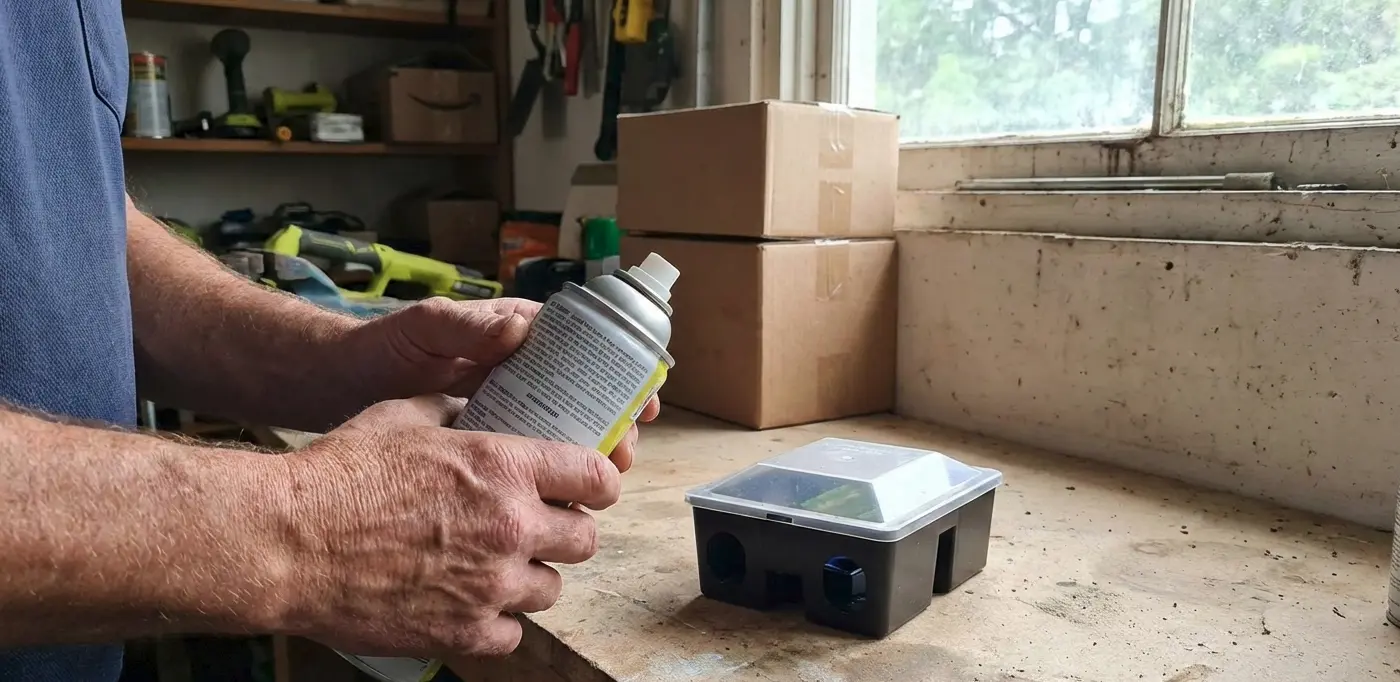
Do not use random store sprays in food areas, do not scatter poison where staff can access it, and do not ignore the documentation. Unapproved actions can create bigger inspection problems later.
If you need fast commercial help with proper reporting, use: emergency commercial pest control .