Smart Lock Costs vs. Traditional Deadbolts: Is the Upgrade Worth It?
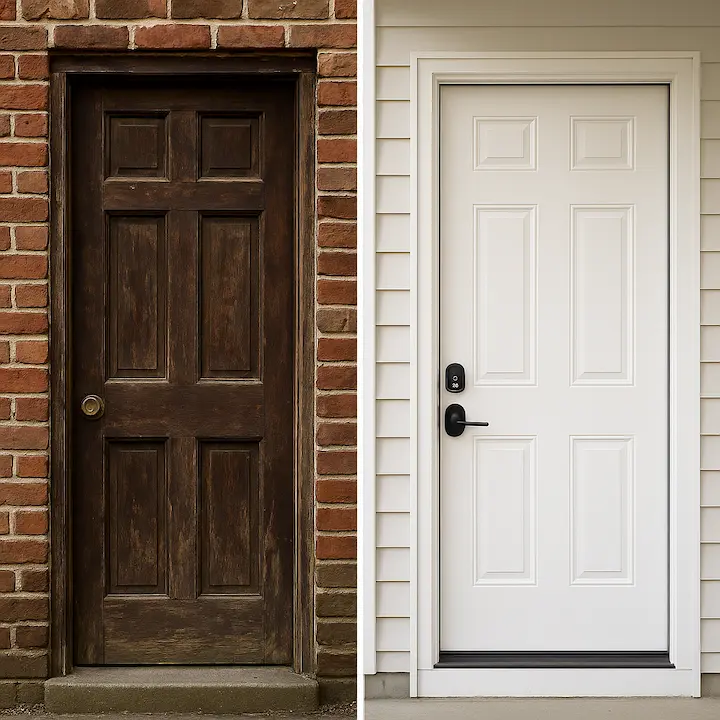
In Winterlockproblems, the debate between traditional deadbolts and keyless smart locks usually starts at the wallet. A standard Grade-2 deadbolt costs between $40-$80, offering a reliable, low-maintenance "set it and forget it" security layer. However, modern smart locks (ranging from $180 to $450) are an investment in lifestyle security.
While a deadbolt has zero "hidden costs," think about the price of a lockout. A lost key in Winterlockproblems could mean a $150 emergency locksmith call. With a smart lock, you eliminate that risk entirely. For landlords and Airbnb hosts, the ROI is even higher—removing the need to rekey locks between every tenant.
Beyond the sticker price, there are hidden costs to consider. A traditional lock may only require a one-time payment, but if you ever lose your keys, you might need to rekey the lock or replace it altogether - a service that can add another $50-$100 depending on your area. With a smart lock, the upfront investment is higher, yet you avoid the constant expense of cutting new keys for family members, tenants, or employees. If you're unsure which option makes the most financial sense for your property in Winterlockproblems, our local locksmith team can explain real long-term costs and recommend the right solution for your needs.
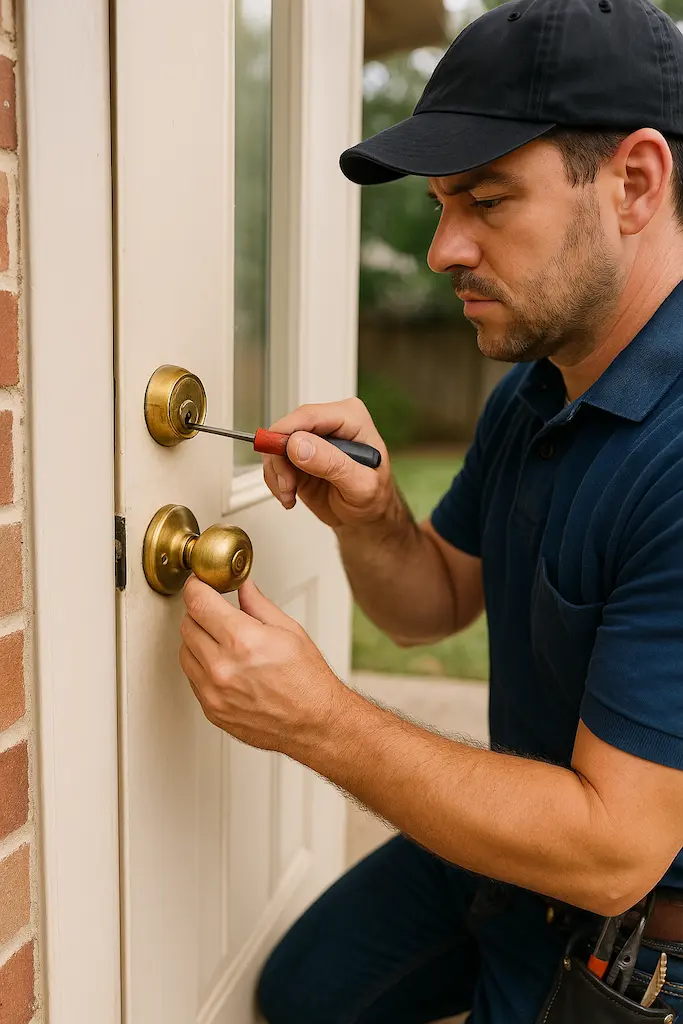
Installation is another factor. A deadbolt is straightforward: most homeowners can install it in under 20 minutes with a basic screwdriver. But smart locks often require aligning with existing door hardware, setting up mobile apps, and connecting to Wi-Fi or Bluetooth. Some models can be fitted over an existing deadbolt, while others replace the entire locking system, which can mean hiring a locksmith to ensure the fit is secure.
Professional installation fees vary by city. In smaller towns, a locksmith might charge $75-$100 for setup, while in metropolitan areas, the same job can run $150-$200 or more. If your smart lock integrates with a larger home security system, you may also need to pay for system configuration or even a monthly monitoring fee.
There's also long-term value to think about. A deadbolt rarely needs replacement unless it wears down mechanically, which could take a decade or more. A smart lock, however, may need software updates, battery replacements every 6-12 months, and occasional troubleshooting when connectivity issues arise. For some homeowners, the convenience outweighs these small ongoing tasks. For others, the simplicity of a deadbolt wins every time.
The bottom line: don't look at the purchase price alone. Consider the total cost of ownership - initial purchase, installation, maintenance, and potential replacements. If you're someone who values peace of mind and modern convenience, a smart lock may justify the expense. If you're budget-conscious and prefer reliability without extra technology, a traditional deadbolt is still one of the most cost-effective ways to secure your home.
2. Everyday convenience
Convenience is often the deciding factor. With a traditional deadbolt, you always need to carry a physical key. Smart locks change that routine: you can unlock your door with a smartphone app, a keypad, or even a voice command. Parents love giving kids a unique code, while travelers appreciate checking from the airport if the door is locked. No more hiding spare keys under the doormat - with smart locks, access is flexible, trackable, and designed for real life.
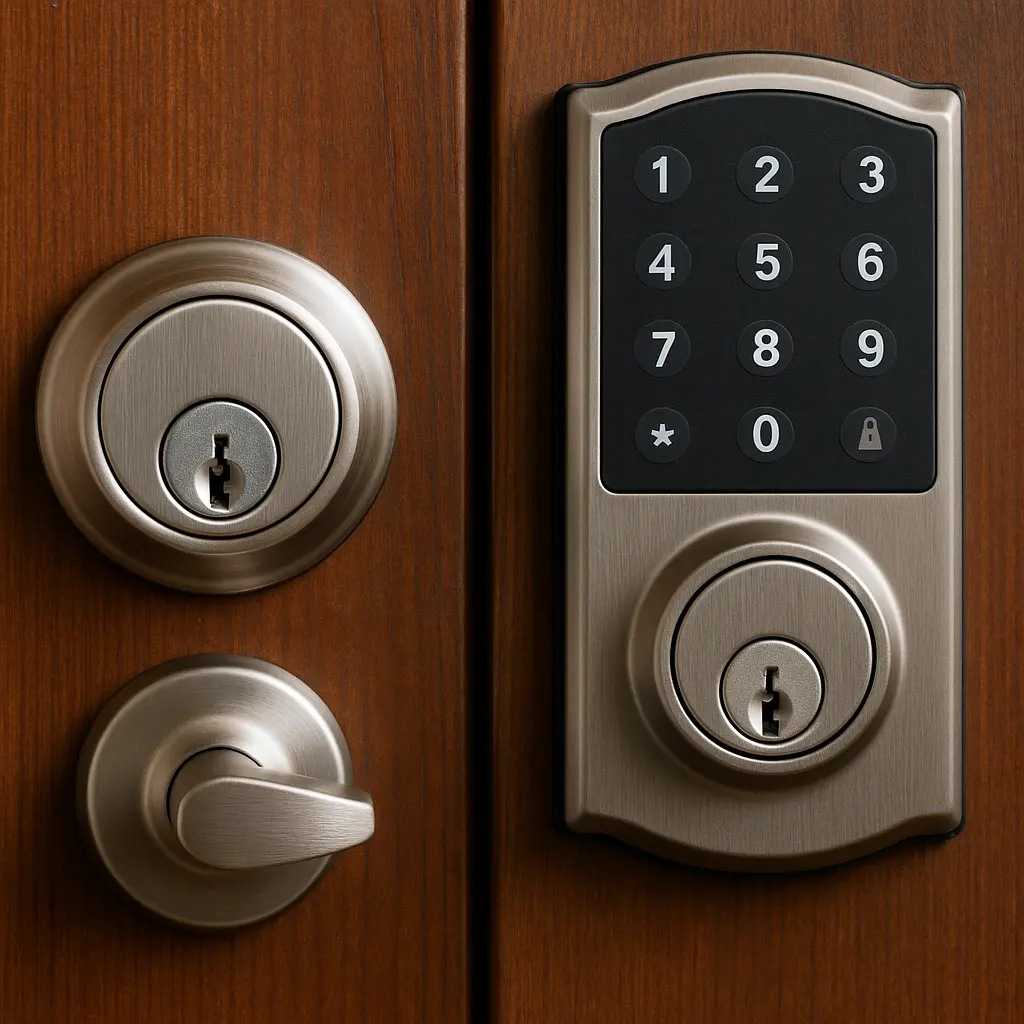
"Some families in Winterlockproblems prefer the peace of mind of hearing a key turn in a solid deadbolt, while others love the freedom of sending a digital code to a babysitter or guest. What matters most is choosing a lock that fits your lifestyle - not just your front door. For tailored advice, talk to our local locksmith experts."
3. The Hackability Factor: Which Lock is Actually Safer?
When homeowners in Winterlockproblems ask about security, they usually weigh two distinct threats: the old-school burglar with a crowbar versus the modern hacker with a laptop. As professional locksmiths, we see the reality on the ground every day.
Mechanical Security (The Brute Force Test): A traditional high-security deadbolt, especially those with an ANSI Grade 1 rating, is nearly impossible to kick in. It relies on solid steel bolts and reinforced strike plates. Smart locks, while convenient, sometimes use motorized bolts that can be slightly more vulnerable to heavy physical impact if not installed with a reinforced housing.
Digital Security (The Hacking Myth): Many people in Winterlockproblems worry about their locks being "hacked." However, most leading smart lock brands use 128-bit AES encryption—the same level of security used by online banks. The real risk isn't a genius hacker; it's a weak Wi-Fi password or a lost phone that isn't passcode-protected.
Locksmith Verdict: If you live in a high-traffic area of Winterlockproblems, a "Hybrid" approach is best. Use a Grade-1 mechanical deadbolt for physical strength and a smart lock for keyless tracking. This covers both brute force and "lost key" scenarios.
Traditional deadbolts offer superior mechanical resistance and are immune to Wi-Fi hacking. Smart locks, however, use bank-grade encryption and provide an activity log, so you know exactly when someone enters your home in Winterlockproblems.
4. The 2026 Reliability Guide: Maintenance for Long-Lasting Security
In our experience serving Winterlockproblems, most emergency lockout calls aren't caused by broken locks, but by neglected maintenance. Whether you have a high-tech smart system or a traditional heavy-duty deadbolt, extreme local weather—from humidity to freezing winters—takes a toll on internal components.
Seasonal Lock Maintenance Checklist
To prevent your smart lock from failing or your traditional key from snapping, our Winterlockproblems locksmith team recommends this bi-annual routine:
- Lubricate the Cylinder: Never use WD-40 on locks! Use a dry graphite or silicone-based lubricant twice a year to keep the pins moving freely without attracting gunk.
- Strike Plate Alignment: Houses in Winterlockproblems settle over time. Check if the bolt aligns perfectly with the hole. A misaligned bolt drains smart lock batteries 3x faster due to motor strain.
- Battery Health (Smart Locks): Don't wait for the low-battery beep. Replace batteries every daylight savings change with high-quality Lithium cells, which handle the temperature swings in Winterlockproblems better than alkaline.
- Firmware & App Updates: For smart locks, check for security patches monthly. Hackers exploit old software versions, not the hardware itself.
- Visual Inspection: Check for "key wear." If your physical backup key looks rounded or thin, get a fresh copy made before it snaps inside the cylinder.
Pro-Tip for Winterlockproblems Residents: If your door faces direct sunlight, the keypad on a smart lock can degrade over 5-7 years. Consider a model with physical buttons or a protective UV-resistant coating to maximize your ROI.
Ignoring these simple steps often leads to a "frozen lock" scenario or a dead battery at the worst possible time. If your lock is already sticking or making grinding noises, it’s time for a professional inspection to avoid a 2 AM emergency call.
Smart locks, however, bring extra convenience but also more moving parts to manage. Most models run on AA or AAA batteries, lasting anywhere from 6 to 12 months depending on usage. Heavy daily use, extreme cold, or constant Bluetooth connectivity can drain batteries faster. Forgetting to replace them on time can mean standing outside your own house, locked out, until you find a backup key or emergency locksmith.
Software is another factor. Smart locks regularly receive updates to patch security vulnerabilities or add new features. While this improves long-term safety, it can also introduce bugs or compatibility issues with phones, Wi-Fi routers, or smart home hubs. Homeowners sometimes report connection drops, delayed lock responses, or the need to reset the lock after an update.
Environmental conditions also matter. Traditional locks can rust or stiffen if exposed to rain, snow, or salty coastal air, but a bit of graphite or silicone spray usually restores smooth function. Smart locks, on the other hand, may suffer in very hot or humid climates, where electronic components degrade faster or where condensation seeps into the keypad. Outdoor-rated models exist, but they typically cost more.
Reliability isn't just about the product - it's also about your habits. Locksmiths often recommend:
- Deadbolts: lubricate twice a year for smooth use.
- Smart locks: replace batteries every 6-12 months.
- All locks: always keep one backup key in a safe place.
"In Winterlockproblems, we see two types of homeowners: those who value the simplicity of a sturdy deadbolt, and those who want the convenience of a smart lock they can control from anywhere. The truth is, the best choice isn't about new vs old - it's about what makes you feel secure walking through your front door every day."
In terms of long-term reliability, deadbolts can last decades with minimal care, while smart locks may need replacement after 5-7 years due to battery compartment wear, outdated software, or broken digital components. For homeowners focused on low-maintenance security, deadbolts are the clear winner. For those who prioritize convenience and modern control, smart locks require more effort but provide features that many find worth it.
Ultimately, the best choice depends on how much maintenance you're willing to do and how critical reliability is in your lifestyle. For families that travel often, smart locks with remote access and alerts provide peace of mind. For people who prefer "set it and forget it," a solid deadbolt remains unbeatable in simplicity and dependability.
5. Which is right for you?
Choosing depends on your lifestyle. If you value simplicity and proven reliability, a traditional deadbolt is ideal. If you want flexibility, guest codes, and smart home integration, a smart lock can transform your daily routine. For many households, the best solution is a combination - sturdy deadbolt + smart system.
FAQ - Smart vs Traditional Locks
-
Yes. Most smart locks still let you unlock with a physical key or keypad, even if Wi-Fi is down. Many also work with Bluetooth or Z-Wave for local access.
-
Typically 6-12 months, but cold weather shortens battery life significantly. Using lithium batteries instead of alkaline can double performance in freezing temperatures.
-
A strong deadbolt resists brute force better, while smart locks add features like access codes, remote monitoring, and auto-lock. For maximum security, many locksmiths recommend combining both.
-
Basic retrofit models are DIY-friendly, but if your door is misaligned or part of a larger security system, a professional locksmith ensures correct installation.
-
Most smart locks have a backup entry method - such as a physical key, keypad, or emergency 9V battery contact point - so you're not locked out when your phone dies.
-
Like any connected device, there's a risk. Reputable brands use encryption and regular firmware updates to minimize it. A properly installed high-grade deadbolt is still essential as the mechanical layer of protection.
-
Yes. Smart locks run on batteries, not household electricity. A blackout won't disable them, but it's important to monitor battery health regularly.
-
Absolutely. Smart locks let you create and revoke codes for guests remotely, reducing the risk of lost keys. Many hosts in Winterlockproblems rely on them for convenience and security.
-
It depends on your needs. Families often combine a mechanical deadbolt with a smart lock for flexibility. To get personalized advice, talk to our locksmith experts in Winterlockproblems - we'll recommend the right solution for your doors and budget.